
Why Monthly Pet Rent Isn’t Always the Best Choice for Sneads Ferry & Surrounding Rentals
A pet-friendly rental should make life easier for everyone. In Sneads Ferry and nearby coastal communities, monthly pet rent often does the opposite. It adds friction, frustrates responsible renters, and rarely matches the real cost of pet-related wear.
Sneads Ferry is not the same as a large apartment market with hundreds of identical units. Many rentals are single-family homes, townhomes, duplexes, or small coastal properties. Renters may be stationed near Camp Lejeune, working in Jacksonville, relocating to Hampstead, or trying to stay close to North Topsail Beach. In that kind of market, a flat monthly pet charge can feel arbitrary and can make a good applicant walk away.
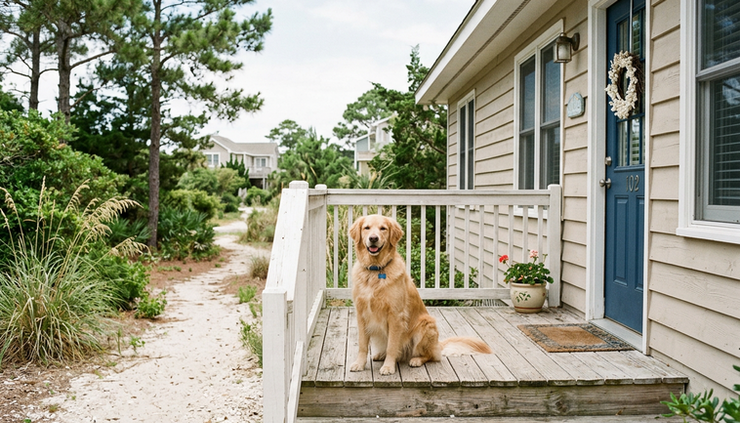
Monthly pet rent does not match how pet damage actually happens
Pet wear is not predictable month by month. One well-trained senior dog may cause no damage for years. A young puppy in the wrong home can damage flooring in a weekend. A cat may be perfectly clean, or it may scratch trim and door frames if not managed.
That is the main issue. Pet rent charges every pet owner as if damage is certain, even when the risk varies widely.
In Sneads Ferry and surrounding areas, many homes have features that already affect wear:
Sandy soil tracked in from yards and beach trips
Humidity that can affect odors and flooring
Fenced yards that may need gate or latch repairs
Screened porches that pets may scratch
LVP, carpet, or older flooring with different repair costs
A monthly fee does not account for any of that. It simply adds a recurring charge. A better system looks at the actual pet, the property, and the lease expectations.
For example, a 12-year-old indoor cat in a home with hard-surface floors presents a different risk than two large adolescent dogs in a home with new carpet and a soft yard. Pet rent treats both situations too similarly.
It can make good renters feel penalized
Pet owners are used to paying reasonable deposits and fees. Most understand that landlords need protection. The problem starts when the cost feels endless.
A one-time pet fee or a clearly defined pet deposit is easier to understand. Monthly pet rent keeps going long after any reasonable risk has been covered. Over a multi-year lease, the tenant may pay far more than the likely cost of normal pet wear.
That creates resentment, especially when the renter:
Keeps the home clean
Provides vet records
Uses flea prevention
Has renters insurance
Repairs small issues quickly
Has strong landlord references
In a military-adjacent area, renters often compare housing costs closely. Monthly add-ons can push a home out of budget, even when the base rent looked reasonable. A pet-friendly listing may stop feeling pet-friendly once pet rent, deposits, application fees, and move-in costs are added together.
It can reduce honesty during the application process
Good rental policies should encourage transparency. Monthly pet rent can do the opposite.
When renters feel a pet fee is fair, they are more likely to disclose pets upfront. When they see a recurring charge that feels excessive, some may delay mentioning a pet or try to move in first and ask later. That creates problems for owners, managers, neighbors, and the renter.
A hidden pet is much harder to manage than an approved pet with clear rules.
A stronger pet policy can require:
Pet details before approval
Photos and descriptions
Vaccination records when appropriate
Local emergency contact information
Written cleanup, noise, and damage rules
Clear consequences for unauthorized pets
This approach works better than relying on a monthly charge to control behavior. Rules, screening, and follow-through protect the property more than a recurring fee does.
There is also one key legal point. Assistance animals, including service animals and qualifying support animals, are not pets under fair housing rules. Housing providers generally cannot treat them like ordinary pets or charge pet fees for them. This article is informational only, not legal advice, so owners should seek qualified guidance when handling accommodation requests.
Local rental demand makes pet policies part of the decision
Sneads Ferry sits in a practical rental corridor. People move through the area for military orders, construction work, coastal jobs, family changes, and school needs. Nearby communities such as Holly Ridge, North Topsail Beach, Hampstead, Surf City, and Jacksonville all influence housing choices.
If two similar homes are available, the pet policy can decide which one gets the better applicant.
A renter with a well-behaved dog may choose the home with:
A clear one-time pet fee
A refundable pet deposit where allowed
A reasonable inspection schedule
A fenced yard
Hard-surface flooring
A lease that explains expectations plainly
That renter may skip the home with monthly pet rent, even if the rent itself is competitive. The recurring charge makes the property feel less welcoming and less predictable.
For landlords, that can mean longer vacancy, fewer applicants, or pressure to lower the rent. A monthly pet charge may look like extra income on paper, but it can weaken the listing in the real market.
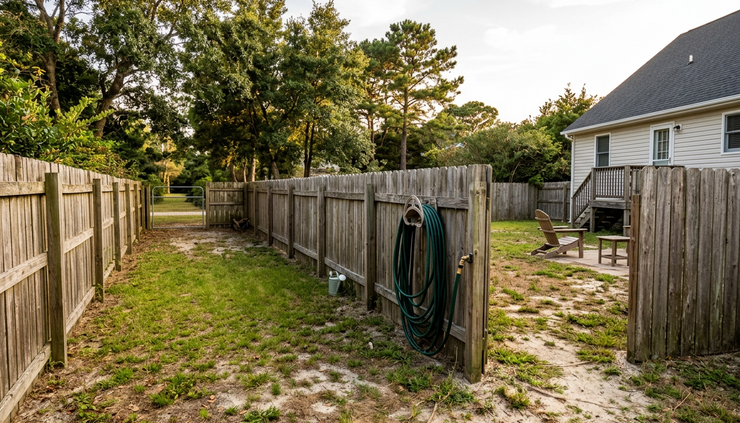
The best pet policy protects the home without driving people away
Monthly pet rent sounds simple, but simple is not always effective. In Sneads Ferry and surrounding areas, it often creates more friction than protection. It does not reflect the real risk of a specific pet, it can discourage strong applicants, and it may push renters toward less transparent behavior.
A better approach is clear and practical: screen pets, document the property, set written expectations, charge fair upfront costs when appropriate, and inspect consistently.
Pet-friendly rentals can perform well in this market. The key is treating responsible pet owners like responsible renters, while still protecting the property from real damage. That balance works better than charging every month just because a pet lives there.


Comments